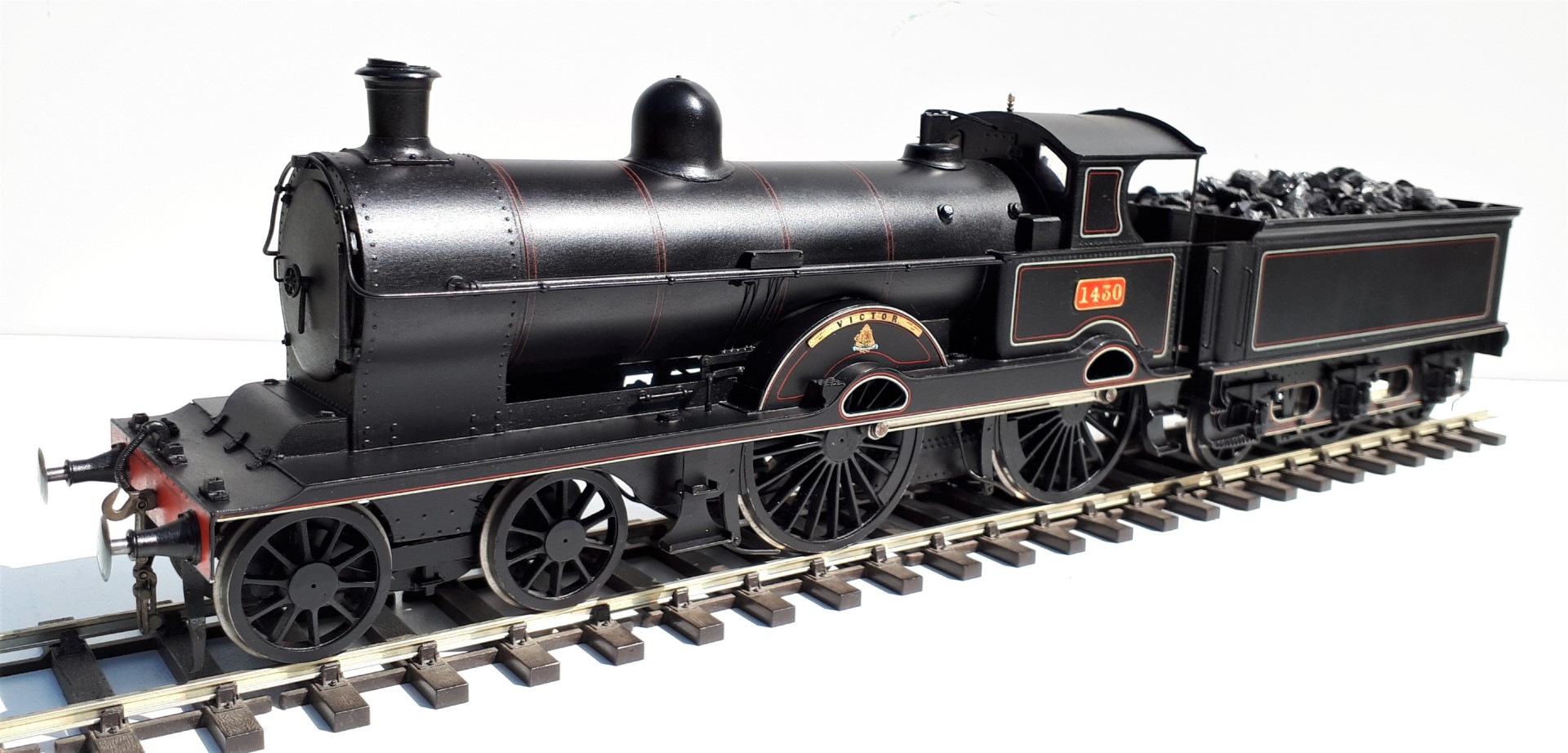
For a further image of this loco follow this link
Model engines and locos
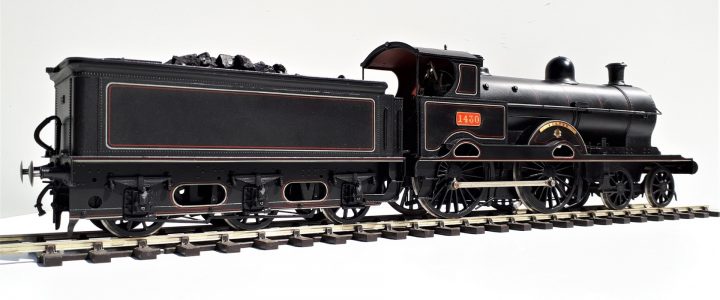
For a further image of this loco follow this link


Built and painted, using PC lining transfers, by myself. When I started O gauge modelling I soon set myself a target to build a Crab, one of my favourite locos. As soon as I heard of the Chowbent kit I had to have one. Over 20 years later and I have not been disappointed. Lots of people complain about the narrow tender, but I think it adds to the character. As does the high running plate over the inclined cylinders. The paint is starting to look a bit worn, but it is still a great livery and she looks a treat hauling my train of of six Peter Cowling LMS series one coaches. Portescap motor and gears, with fused protection. Current collection is by the American method, where the loco collects from one rail and the tender from the other. The insulated Slaters wheels have been shorted by thin wire behind a spoke on one or other side of the loco and tender. An insulated drawbar and fallplate is needed with this system and in my experience, with care, it works very well.
These very useful locos were designed by George Hughes, Chief Mechanical Engineer of the London Midland & Scottish Railway. His background was with the Lancashire and Yorkshire Railway and they were developed using L&YR practice. In 1925 Henry Fowler, previously of the Midland Railway at Derby, succeeded Hughes as CME and he tried to have the design changed to use Derby standard parts, but because the build process was so advanced, only the tender and some boiler fittings became the only obvious changes. Production commenced at the L&YR Horwich works and L&NWR Crewe works in 1926. A total of 245 engines were built, five of which were experimentally fitted with Lentz valve gear in 1931. In 1953 that was replaced with Reidinger valve gear. Otherwise the class remained virtually as designed throughout their thirty plus year life. No. 2876 was built at Crewe in 1930 and withdrawn from service in 1962.
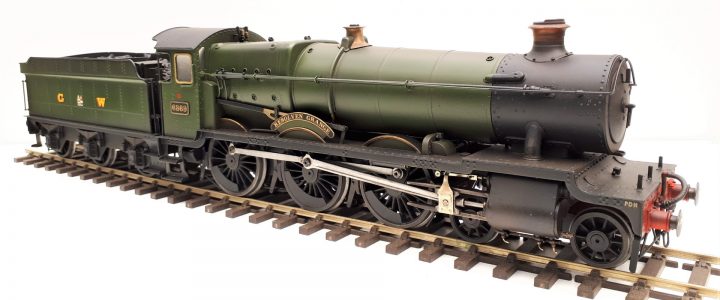

The Grange class locomotives were designed by Charles Collett and built at Swindon between 1936 and 1939 as replacements for 43xx class Moguls. For comparison with one of these locos, no. 4302, follow this link.. In fact many Granges were built using a pool of reconditioned parts from withdrawn 43xx locomotives. They are effectively a smaller wheeled version of the Collett Hall class. For a description and images of one of these locos, Aldenham Hall, follow this link.


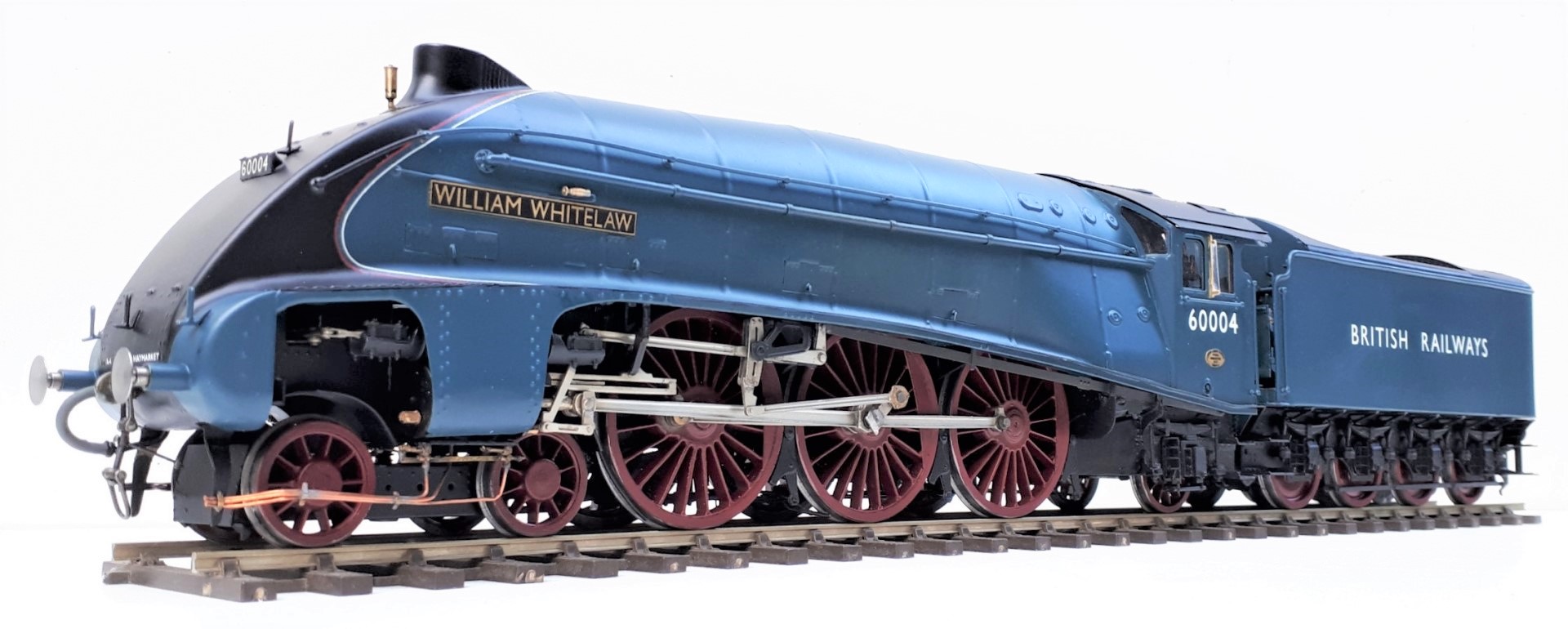

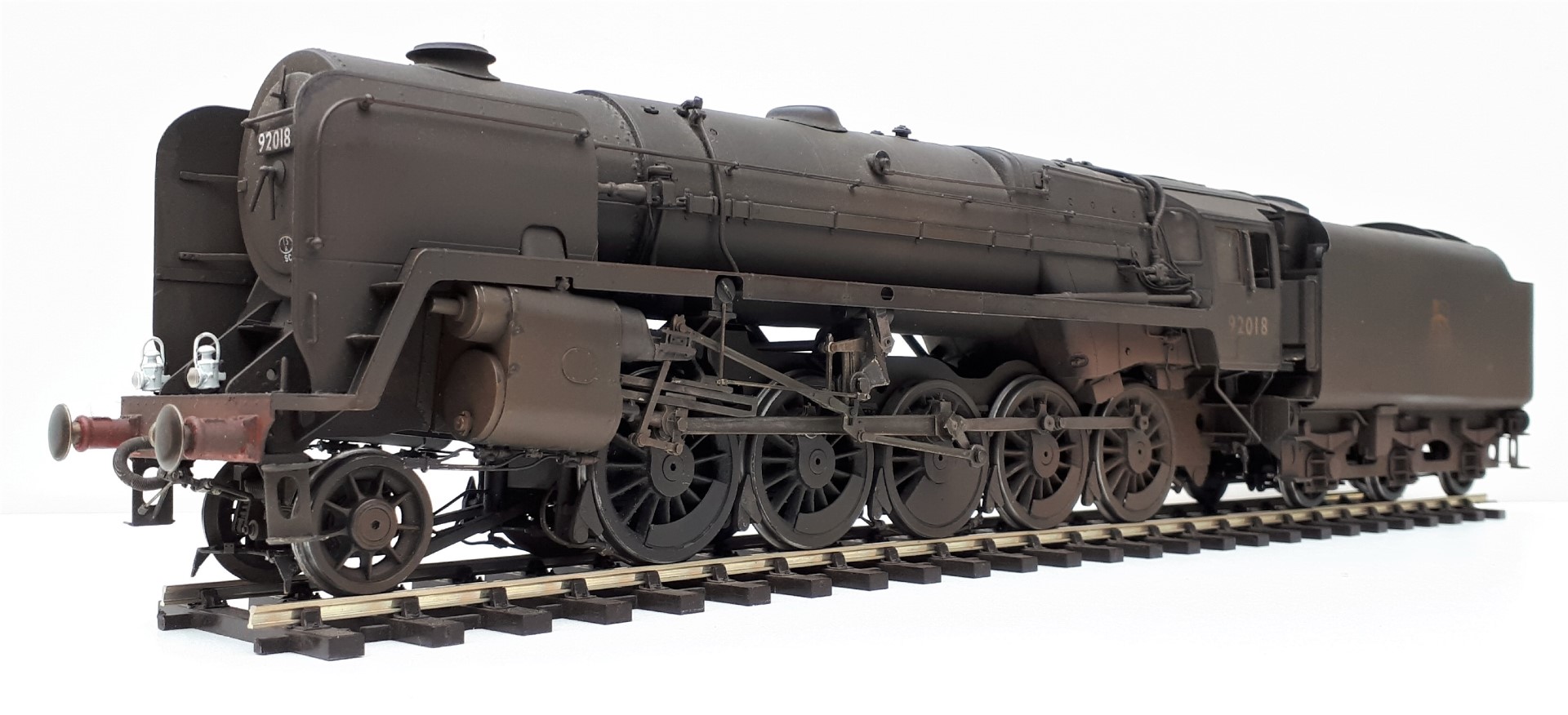

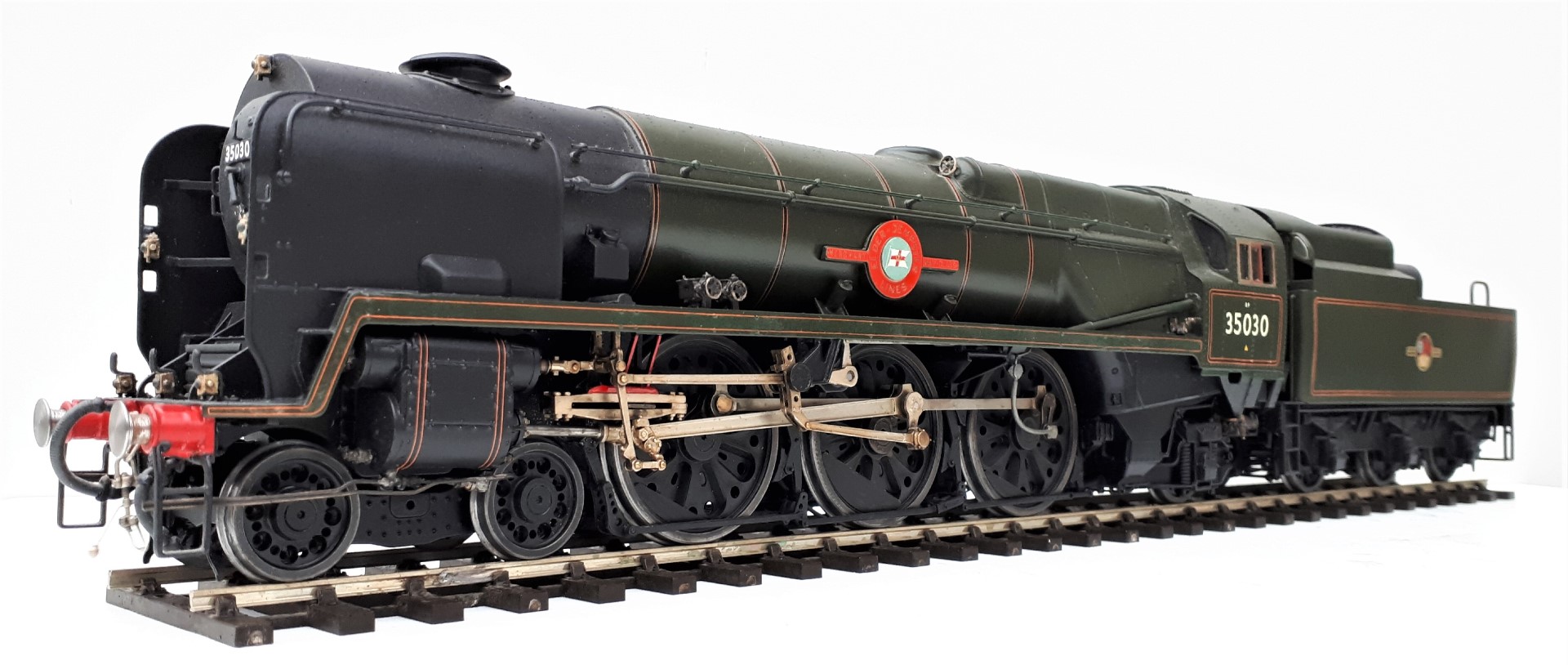

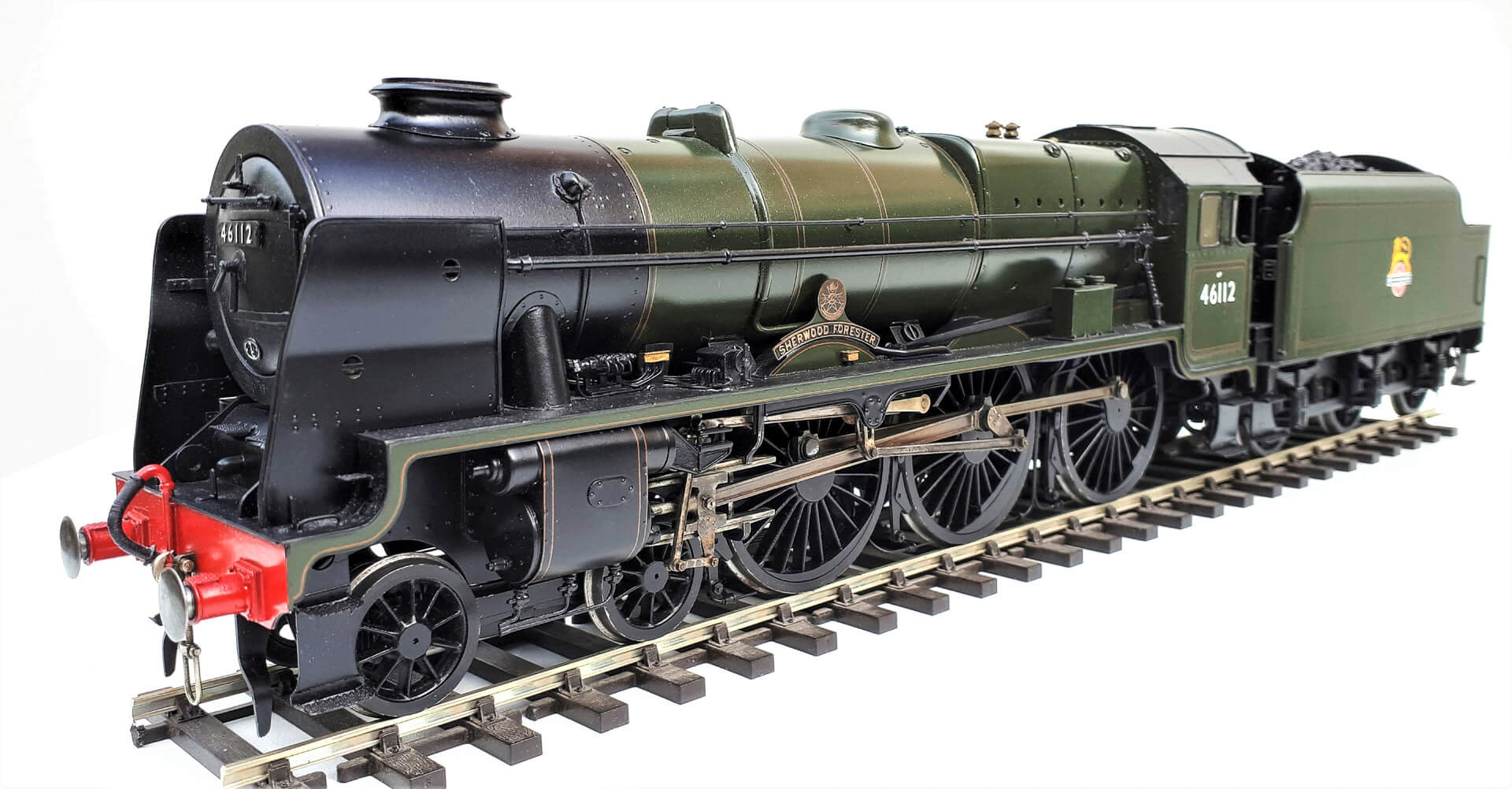


A top quality model, with fully working inside motion and opening smokebox door with internal smokebox detail. Built to finescale standards by Nick Dunhill, making use of the Martin Finney kit. Furthermore, the project was used as a test bed for 3D printing technology and its possible applications in O gauge.
Numerous changes have been made to the standard kit build: including making the spacing of the main frames above and below footplate level a slightly compromised, but consistent 29mm. Making prototypical frame stretchers to suit the new frame spacing. The fabrication of new smokebox front and backs. A new more prototypical ashpan has been designed and fabricated. A representation of the firebox front has been incorporated into the chassis. Loco and tender brake gear has been modified to give a more prototypical appearance. Side control and downward springing to minimise movement has been incorporated into the mostly scratch built bogie.
Additional detail to the inside of the cab: includes the the fitting of damper and cylinder draincock levers to the cab floor. The use of perspex rod for the water level indicator safety glass. Displacement lubricators are added to the cabsides. Finally and most noteworthy, wood veneer has been used for the cab floor.
Additional detail below the running plate: including injector, vacuum and lubricator pipes between the frames. Reversing steam rams and cylinder blocks with drain cocks, pipes and linkages are modelled to give an improved prototypical appearance.
Current pick-ups: are by phospher bronze wipers fitted to the tender inner chassis.
Number and worksplates: are by Diane Carney.
The loco crew: expertly hand painted by Mike Sheardown.
Superb loco and tender paintwork: with hand painted crests and lining is by Warren Haywood to give a fabulously smooth finish.
In conclusion, for a more detailed report on the building of this Greyhound refer to the Gauge O Guild Gazette Volume 19 no. 12, of August 2016 pages 65 and 66.