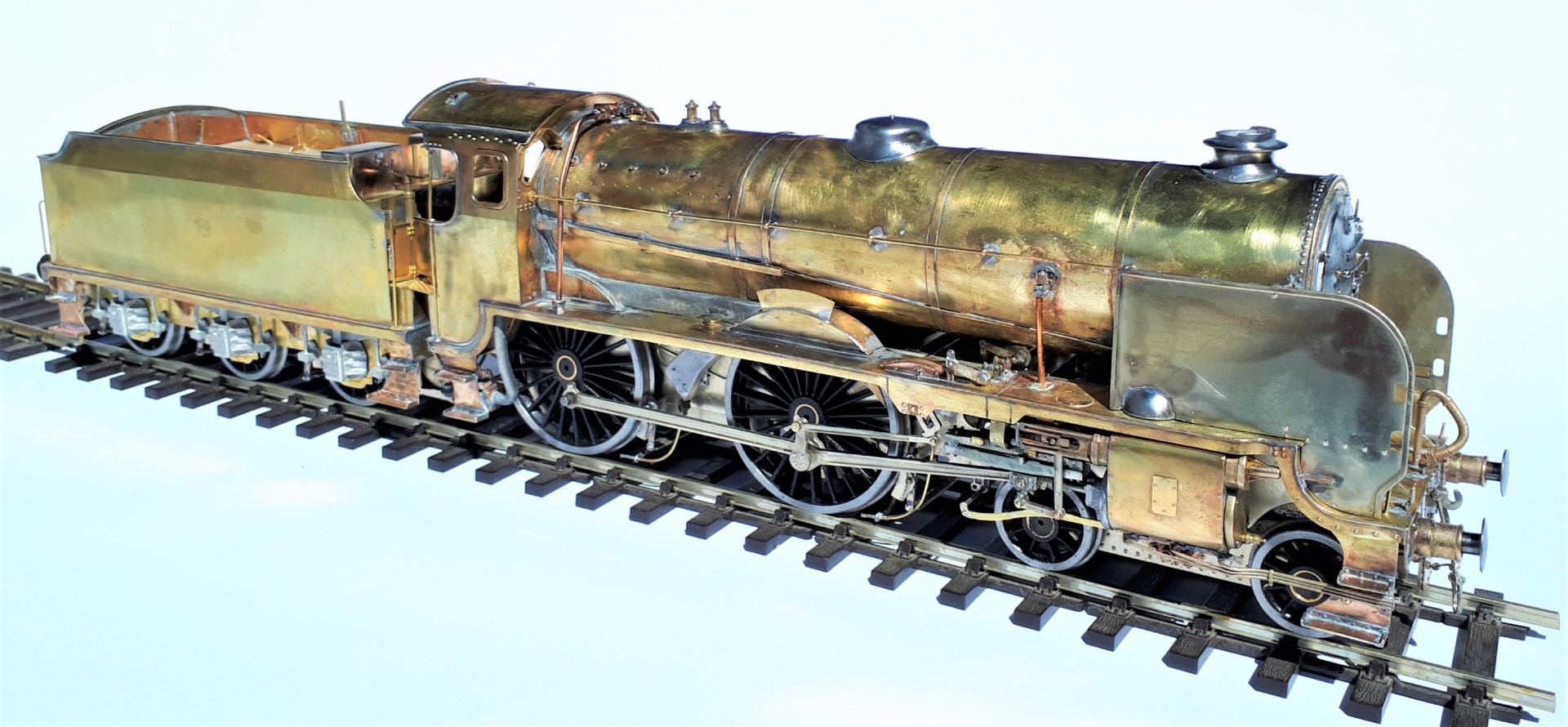
BR(SR) Maunsell Schools class 4-4-0 no. 30925 Cheltenham

Model engines and locos
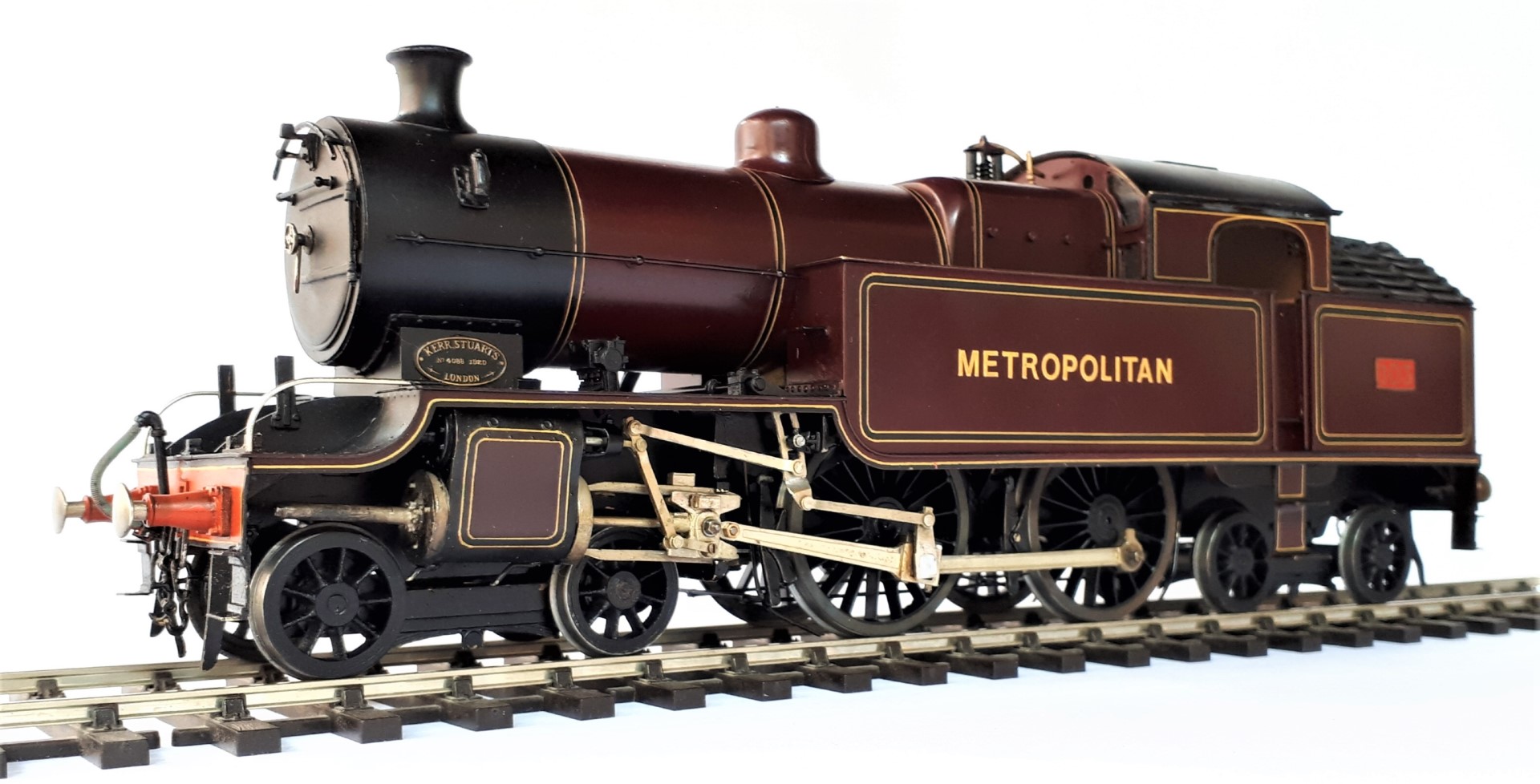




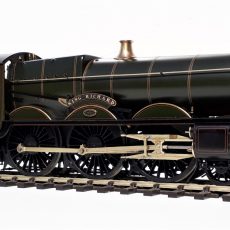
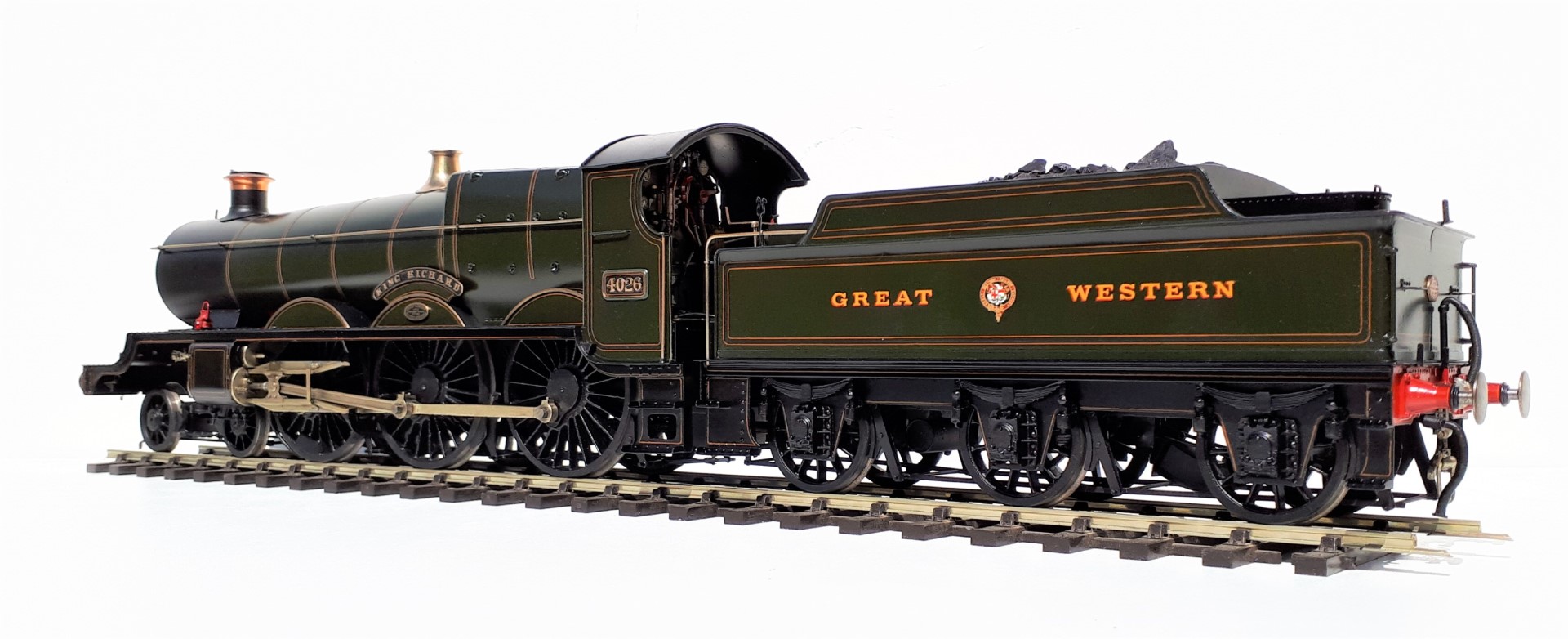
I was lucky enough, to firstly find and again to be able to buy, this very fine model at a Special Auction Services auction in Newbury. It’s condition was not great, with minor rusting to all of the wheels and other bright-work a little tarnished. Additionally two small repairs have needed to be made to the working of the inside motion. All’s well now though. Of more importance to me was that there was no damage to the paintwork.
These are typical of the risks needed to be taken when buying in auction. It goes without saying that you do not get a chance to test the working of models before bidding. You are lucky if you get a box to carry it home in. Therefore confidence in your own ability to be able to repair any faults is obviously a necessity.
In the same auction there were many more fine models, including my Experiment and Precursor class models. There were also two other Stars which I didn’t buy – Dog Star and Princess Helena. Both of the same original build and paint quality as King Richard, although Dog Star looked to have had a slightly tougher working life. I wonder if the buyer of those models is as pleased as I am with this? I wonder if he had any surprises when he got them home and placed them on the track? Has he had to make any repairs? The previous owner, now deceased, was a man who lived in Ireland by the name of Peter Tray (or is it Trey?}.
Princess Helena was missing a nameplate. That doesn’t sound a great issue as a replacement can easily be acquired and stuck on with superglue. But the nameplates on these models were cleverly designed and mounted to the splasher with a slot and tab fixing of great craftsmanship. A real shame to have lost one and that was the only reason that I chose to go for King Richard instead.
These models, clearly came from a true connoisseur of model trains and an avid enthusiast of the GWR and L&NWR.
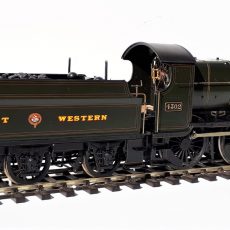

I was lucky enough, to firstly find and again to be able to buy this model at auction. But it was in less than good condition as it had rusting to all of the wheels. On the positive side however and very importantly, the paintwork was still in very good condition. After cleaning and lubrication, placing the model on the track and she was away. Non the worse for her spell in a location of damp atmosphere and change of ownership.
It goes without saying what a risky business it is when buying models in auction. You do not get a chance to test the working of models before bidding. You are lucky if you get a box to carry it home in. Therefore confidence in your own ability to be able to repair any faults is obviously a necessity.
In the same auction there were many more fine models, including my Experiment, Precursor and Star King Richard. These models, came from the collection of Peter Tray, in Ireland. Obviously a true connoisseur of model trains and an avid enthusiast of the GWR and L&NWR.